Lighting Cabinet, Multi-channel LED, Daylight & Blackbody Simulator, Image Evaluation, Camera Calibration, Visual Assessment


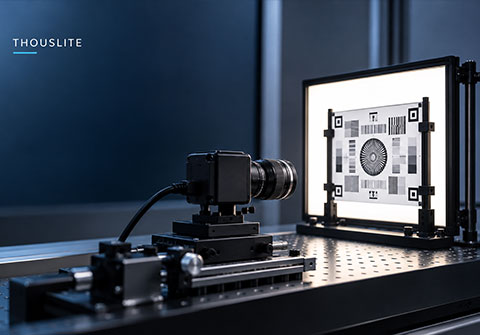 From Spectral Design to Imaging Validation——Building Reliable Lighting Conditions for Camera TestingOverview As spectral power distribution becomes a design variable, how can engineers ensure that lighting conditions are suitable for camera testing? THOUSLITE examines short-exposure imaging, HDR evaluation and color testing through three essential dimensions—spectral, spatial and temporal performance—and explains how measurement and documentation can make imaging results more comparable and reproducible. In our previous article, we explored how AI is opening new possibilities for spectral design. Here, we turn to the next challenge: once a spectrum can be designed, how do we verify that the resulting lighting conditions are fit for camera testing—and that the results can be reproduced and compared? Why might the same camera and test chart produce different color, noise or brightness results in two separate tests? Exposure, gain and image-processing settings are natural places to start troubleshooting. Yet another variable deserves equal attention: did the camera receive the same light in both tests? The spectrum, spatial distribution and temporal behavior of a light source all influence image formation. Measuring and documenting these conditions helps engineering teams isolate the causes of discrepancies and avoid repeated troubleshooting. 1 Standardized Testing Begins with Defined Lighting Conditions IEEE Std 2020-2024, the standard for automotive system image quality, was approved in…2026-10-15
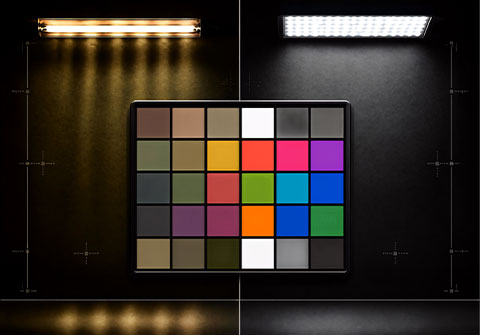 THOUSLITE Spectral Matrix Series · [Part One] Perception — The Shifting Ruler: Stop Paying the Hidden Cost of Color DeviationSpectrum as a Variable: The Digital Leap in Color Management — THOUSLITE Spectral Matrix Series — Introduction In an era where digital manufacturing and global supply chains are deeply intertwined, color is no longer a subjective perception. It has become a data asset that must be precisely measured, transmitted, and reproduced. Yet the limitations of conventional fixed-spectrum light sources are quietly introducing the risk of miscalibration at every stage of this data chain. The THOUSLITE Spectral Matrix Series aims to explore how multi-channel spectrally tunable LED technology is reshaping the underlying logic of color management — from recognizing deviation and building closed-loop workflows to real-world implementation. It provides a practical guide to spectral strategy for manufacturing enterprises, research institutions, and quality management professionals worldwide. Each article stands alone; together, the three form a complete framework to help you master spectral variables and establish a digital foundation for color management. The Hidden Cost of Color Deviation: Why Fixed-Spectrum Light Sources Have Become an Unreliable Baseline in the Data Era Conventional fixed-spectrum light sources are limited by non-tunable SPD, color temperature drift, and energy efficiency shortcomings. These issues cause systematic deviations in color evaluation across processes, making them among the most hidden…2026-09-18
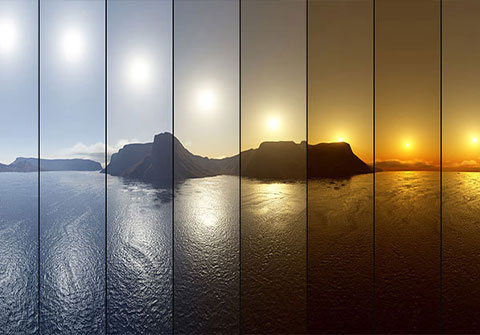 Color Isn’t Always What It Looks Like – How the LEDView Standard Light Booth Ends the Guesswork in Color EvaluationI. When Color Becomes Part of a Commercial Contract Color isn't always what it looks like. That's not a philosophical musing—it's a practical reality that manufacturing confronts every single day. Color is more than a visual phenomenon; in industry, it is a serious technical metric—a quality covenant that must be quantified, communicated, and traced. In the supply chains of international trade and high-end manufacturing, color assessment is never a subjective affair—it requires objectivity, not guesswork. Every shade standard document issued by a brand to its contract manufacturer carries the weight of a legally binding specification. Every delta E value recorded on a quality inspection report directly impacts batch release, payment settlement, and brand reputation. In this sense, color is quality—and quality is the baseline of delivery. Yet color remains one of the most challenging quality dimensions to control. The same formulation, the same roll of fabric, the same batch of molded parts can appear visually different under morning daylight versus afternoon sunlight. A product judged acceptable under one facility's lighting may be rejected for color deviation upon arrival at another brand's site. This is not a technical failure—it is a systemic discrepancy rooted in inconsistent lighting standards. At industrial scale, such discrepancies…2026-08-31